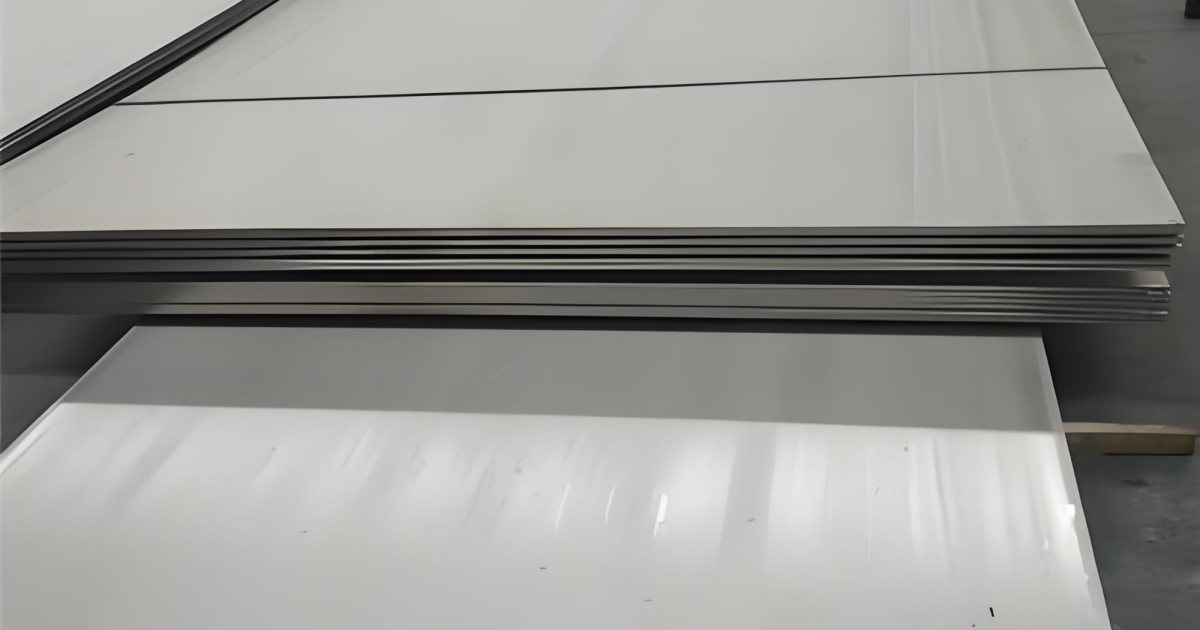
304 Stainless Steel Plate vs Sheet: Thickness, Finish and Use
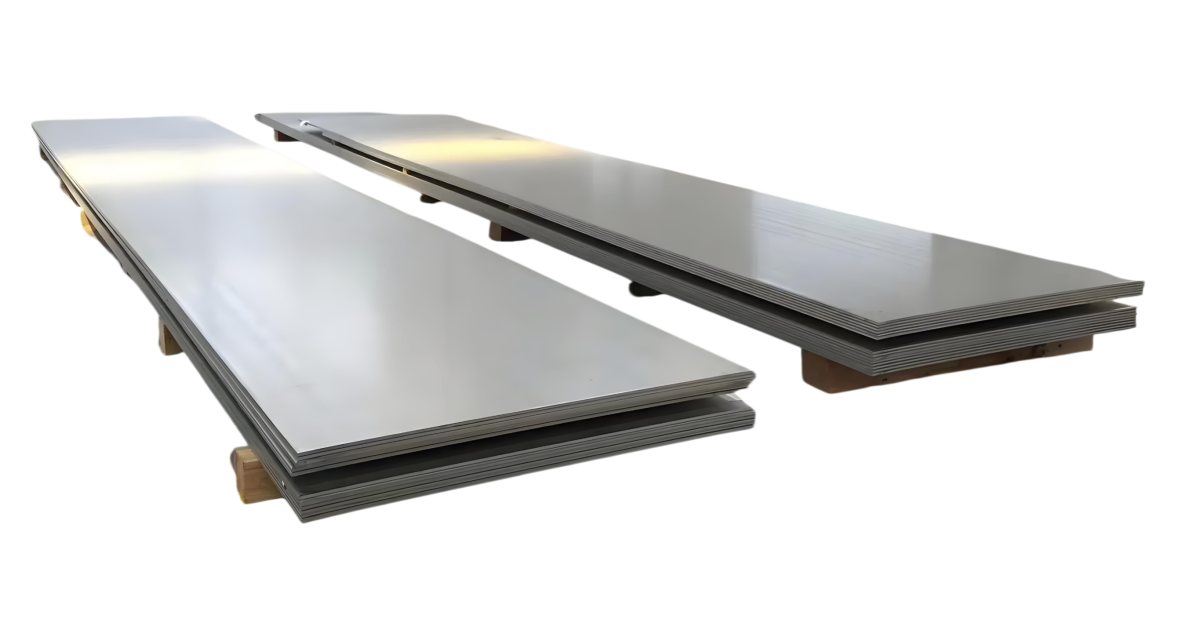
304 stainless steel plate and 304 stainless steel sheet use the same widely specified austenitic grade, but they are selected for different thickness ranges and fabrication needs. Calling every flat product “plate” can create confusion in an RFQ, especially when finish, rolling route, and dimensional tolerance are important.
The practical thickness boundary
For product selection, sheet is commonly used for thin-gauge flat material, often around 0.3 to 5 mm. Plate commonly refers to heavier flat material from 6 mm upward. This is a practical commercial distinction rather than a substitute for an agreed standard. Always state the actual nominal thickness, width, length, and tolerance on the order.
Thickness affects material handling, forming force, cutting method, welding preparation, and available finish. It is therefore better to begin with the finished component and fabrication method than to choose a name first.
Typical sheet requirements
304 sheet is frequently selected for formed, folded, stamped, decorative, or visible-surface components. Buyers often discuss cold-rolled finishes such as 2B, BA, or No.4; surface protection; flatness; and close thickness or width control. Where appearance matters, approve the required finish and acceptable surface condition before ordering production material.
Typical plate requirements
304 plate is commonly considered for heavier fabricated parts, tanks, equipment, supports, and components requiring greater section thickness. The RFQ may need to identify hot-rolled condition, surface condition, cut dimensions, edge preparation, flatness, and documentation. For welding projects, confirm whether 304L is required by the design and welding procedure.
Choose by the downstream operation
- Bending and forming: define thickness, bend direction, surface protection, and mechanical-property requirements where applicable.
- Welding: define grade, thickness, edge preparation, and the applicable fabrication code.
- Cutting: define finished dimensions, cutting process, edge condition, and burr acceptance.
- Decorative work: define finish, grain direction where relevant, protective film, and approved sample expectations.
Do not compare unlike quotations
Two suppliers can quote “304 stainless steel” while offering different rolling routes, finishes, tolerances, and documentation. Compare the same specification line by line: grade, standard, nominal dimensions, tolerance, finish, edge, cutting, certificate, and packing. This reduces the risk of selecting material that is unsuitable for the intended process.
The 304 stainless steel plate product page can help structure a plate RFQ. If your project is in the thinner sheet range, identify it clearly as sheet and include the required finish rather than treating it as a heavy plate order.
Confirm the specification before production
For critical applications, submit the drawing, inspection plan, and any project standard before the supplier releases material. Clear specification is more valuable than a generic product label because it aligns purchasing, quality inspection, and fabrication teams on the same acceptance criteria.