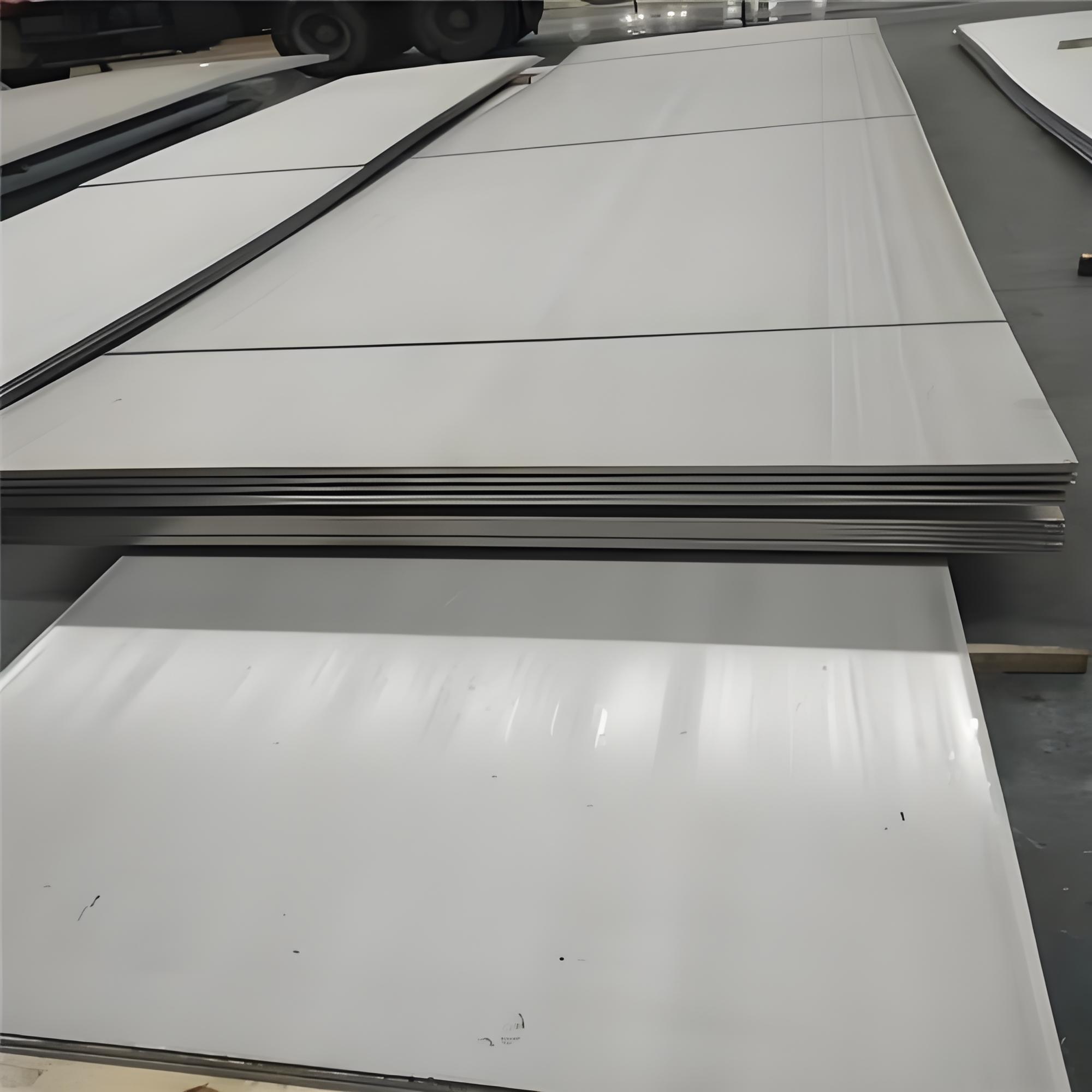
304 Stainless Steel Plate: Specifications & Thickness Chart

Stainless steel plate 304
Stainless steel hot-rolled sheet

Stainless steel plate 304

Stainless Steel Plate 304 is a widely used austenitic stainless steel plate containing chromium and nickel. It offers good corrosion resistance, heat resistance, toughness and weldability, and is suitable for pressure vessels, chemical equipment, food machinery, kitchen equipment, outdoor decoration and industrial applications.

Plate: 6 mm and above
Thicker flat product, typically hot rolled for heavier-gauge fabrication. Confirm No.1 finish, cutting, and tolerance requirements.

Product Details

304 stainless steel plate is a general-purpose chromium-nickel austenitic stainless steel product used in fabricated equipment, architectural work, food-processing equipment, tanks, and general industrial applications. It is commonly specified as AISI 304, UNS S30400, SUS304, or EN 1.4301. The final material selection should match the service environment, fabrication method, and governing project specification.

When sourcing plate, nominal thickness alone is not enough. Buyers should define the rolling condition, finish, width, length, flatness, edge treatment, cutting requirement, and inspection documents. Those details determine whether the supplied plate is suitable for the intended fabrication process.

304 Stainless Steel Plate Thickness and Size Guide

ItemTypical request optionsOrder note
ThicknessMedium and heavy plate; commonly specified from 3 mm upwardState nominal thickness and the applicable tolerance standard.
WidthStandard mill widths or cut widthsConfirm the finished width and edge condition.
LengthStandard mill lengths or cut-to-size plateProvide the drawing or finished dimensions where applicable.
Rolling conditionHot rolled or cold rolled, depending on thickness and finish requirementConfirm the required surface and flatness expectations.
SurfaceNo.1, 2B, No.4, hairline, mirror, or buyer-specified finishUse an agreed sample where appearance is critical.

Actual availability depends on grade, thickness, dimensions, finish, and mill schedule. The quotation should state the offered tolerance and inspection basis before an order is confirmed.

Typical 304 Stainless Steel Properties

PropertyTypical reference
ChromiumAbout 18–20%
NickelAbout 8–10.5%
CarbonUp to 0.08% for standard 304
DensityApproximately 7.93 g/cm³
FabricationCommonly welded, bent, formed, cut, and polished using suitable procedures

These are general reference values. Contractual chemistry, mechanical properties, dimensions, and test requirements must be confirmed against the applicable ASTM, EN, JIS, GB, or project standard and supported by the relevant mill documentation.

304 vs 316 vs 2205 Stainless Steel Plate

GradeSelection considerationRelated product
304A common choice for general corrosion-resistant fabricated equipment and architectural applications.Standard 304 plate
316LConsider for more demanding chloride-bearing or chemical service where improved corrosion resistance is required.316L stainless steel plate
2205 duplexConsider where higher strength and a different corrosion-resistance profile are required by the design.2205 stainless steel

Finish, Cutting, and Fabrication Requirements

Hot-rolled plate is often associated with a No.1 finish and heavier-gauge fabrication, while thinner cold-rolled material may be specified with 2B or decorative finishes. For visible applications, define the finish direction, protective film requirement, acceptable surface defects, and packaging method. For fabricated equipment, provide the cutting plan, edge condition, weld preparation, and tolerance requirements with the inquiry.

How to Request a 304 Plate Quote

  1. State the grade, material standard, and intended application.
  2. Provide thickness, width, length, surface, rolling condition, and quantity.
  3. List cutting, edge treatment, inspection, and packing requirements.
  4. Ask the supplier to confirm mill source, lead time, documentation, and shipment terms.

Frequently Asked Questions

What is the difference between 304 plate and 304 sheet?

In many purchasing contexts, sheet refers to thinner flat product and plate to thicker flat product. The precise boundary varies by market and standard, so orders should state the actual thickness rather than relying on the product name alone.

Can 304 plate be used for food equipment?

304 is widely used for food-equipment applications, but the equipment design, surface finish, cleaning media, and local compliance requirements must be assessed for the specific use.

Is 304 suitable for marine or chloride exposure?

304 may not be the preferred choice for demanding chloride or marine exposure. Review the actual environment and consider a more suitable grade where required.

What documents should be requested with an order?

Request the applicable material test certificate and confirm the heat number traceability, dimensions, tolerances, and inspection requirements before shipment.

Use these guides to define material requirements before requesting a quotation.

Message sent successfully!