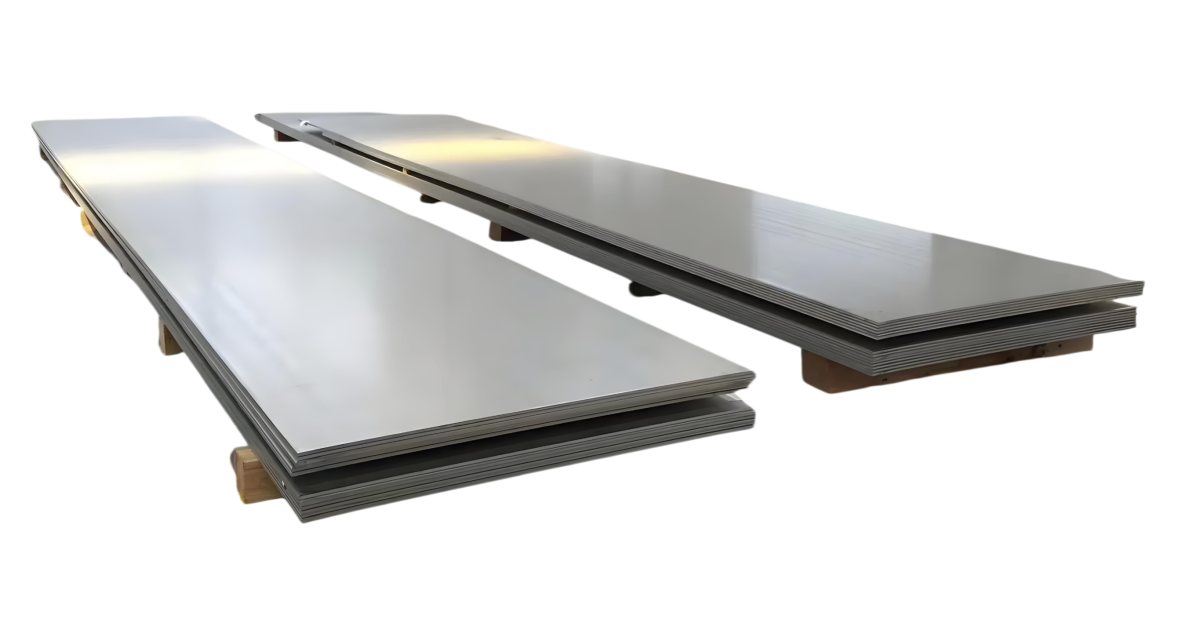
304 Stainless Steel Plate Thickness Chart: How to Specify Your Order
A 304 stainless steel plate thickness chart is useful only when it helps a buyer turn a design requirement into a clear order specification. Thickness is normally the starting point, but plate selection also depends on width, length, rolling condition, finish, flatness, cutting method, and the applicable standard.
Plate and sheet should be specified separately
In many purchasing discussions, thin flat product is described as sheet and heavier flat product as plate. A practical dividing point often used for product planning is sheet from approximately 0.3 to 5 mm and plate from 6 mm upward. Actual market terminology and availability can vary, so the purchase order should state the nominal thickness instead of relying on a product name alone.
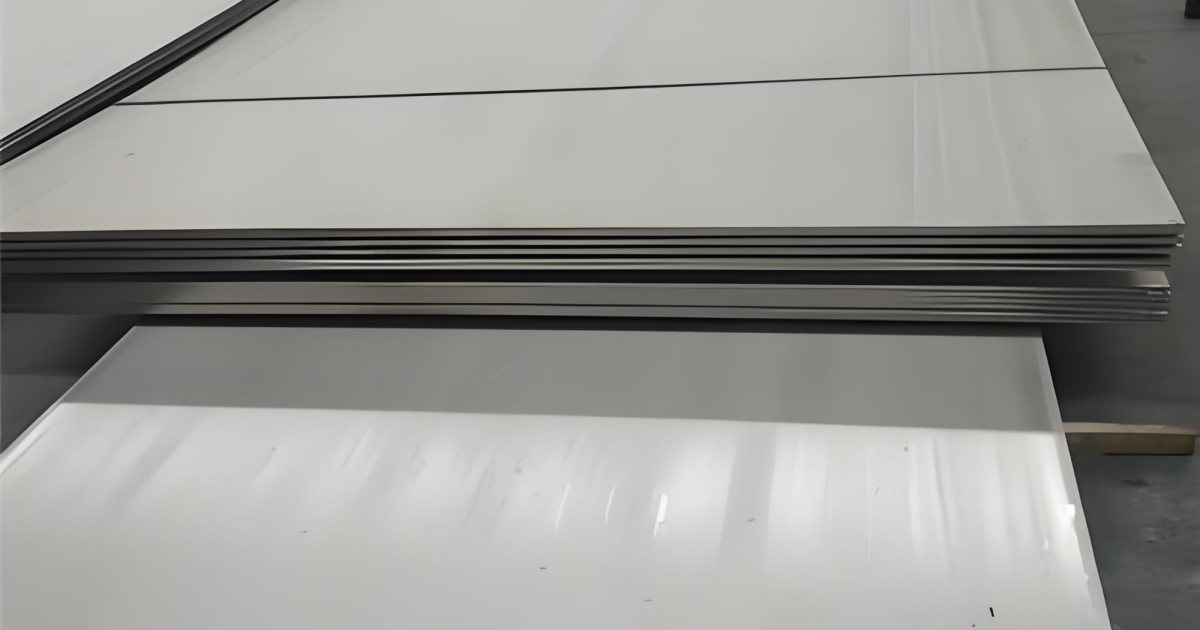
For heavier 304 material, buyers commonly need to confirm whether the product is hot rolled, which surface condition is required, and whether mill edge or cut edge is acceptable. For thinner cold-rolled material, finish and surface appearance may be a larger part of the requirement.
Build a complete thickness specification
List the nominal thickness first, followed by the permitted tolerance under the applicable standard or your approved drawing. Add width and length, because dimensional tolerance may depend on ordered size. If the material will be cut from stock plate, define the cutting method and the tolerance needed on the finished blank.
- Grade: 304 or 304L, as required by the design and welding procedure.
- Standard: identify the governing ASTM, EN, JIS, or project standard.
- Dimensions: nominal thickness × width × length.
- Surface: define the required rolling finish and visual acceptance level.
- Edge and cutting: mill edge, sheared edge, laser cut, plasma cut, or waterjet cut as applicable.
- Inspection: material test certificate, dimensional check, and third-party inspection when required.
Thickness is only one part of fabrication performance
Flatness, surface condition, internal stress, and edge quality can influence welding, bending, machining, and assembly. For pressure, chemical, or structural applications, the drawing and governing code should define the acceptance criteria. Do not assume that a general-purpose plate automatically meets a project-specific requirement.
When comparing quotations, verify that every supplier is quoting the same grade, thickness tolerance, finish, and cut size. A difference in rolling route or finish can change both cost and fabrication suitability.
Prepare the RFQ before asking for price
An RFQ should identify the end use, required dimensions, standard, quantities, required documentation, and delivery packaging. If cutting is required, include a drawing and state whether burr removal, protective film, or marked parts are needed. This gives the supplier a basis to confirm feasibility rather than making assumptions.
For order planning, review the 304 stainless steel plate specifications and thickness options, then submit the project dimensions and required standard for confirmation.
Check documentation at receipt
At receipt, match the plate marking, packing list, dimensions, and material test certificate to the purchase order. Record any sampling measurements and keep them with the project quality file. This simple traceability process is particularly useful when material will be cut into multiple fabricated parts.