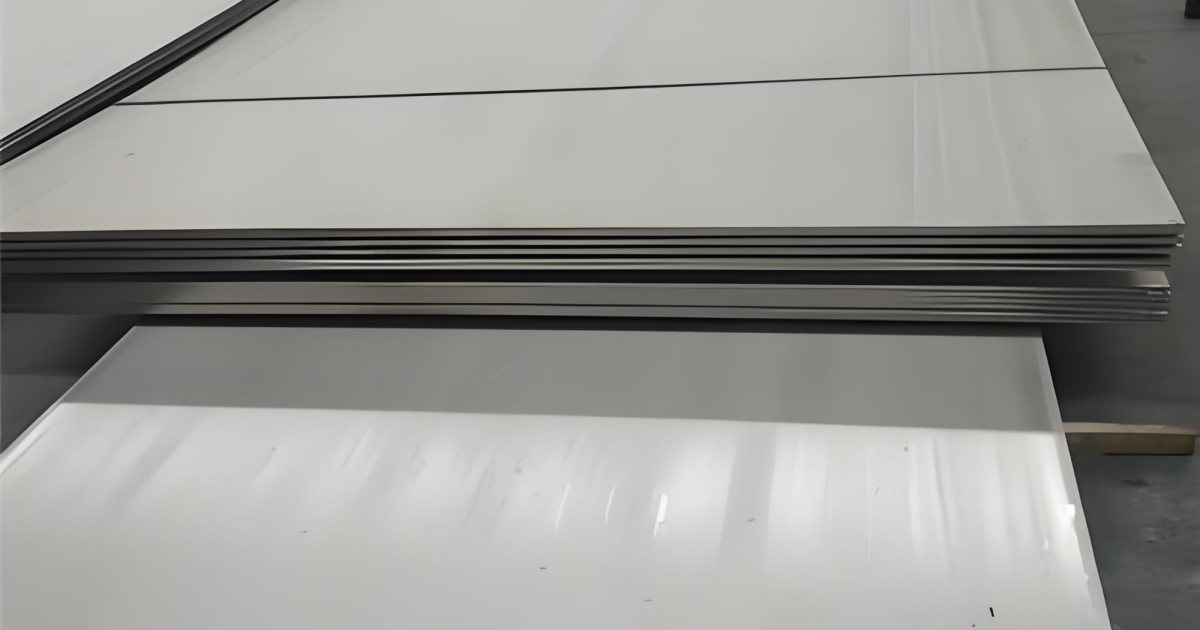
Heavy industrial manufacturing puts forward higher requirements for the welding performance of Stainless Steel Plate 304.
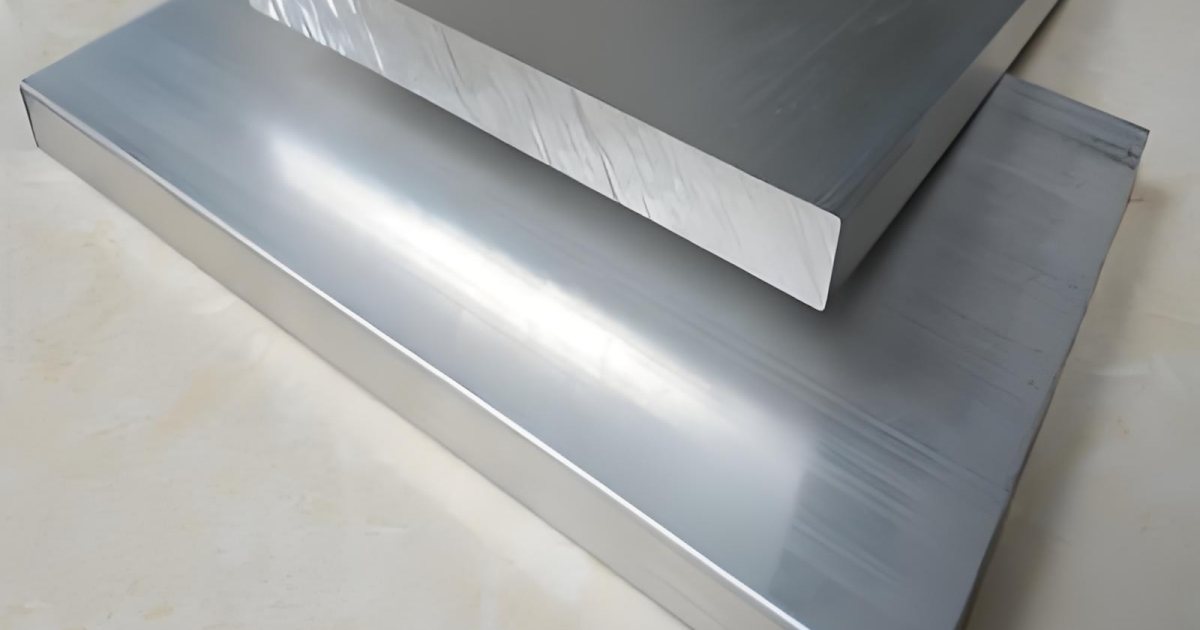
With the continuous construction of global environmental protection facilities and chemical storage projects, the selection of fundamental structural materials has come under stricter scrutiny. In fields such as wastewater treatment, industrial flue gas desulfurization, and chemical storage, stainless steel plate 304 is widely utilized due to its balanced mechanical properties and cost-effectiveness. However, these complex working environments demand exceptional welding stability from the steel plates to prevent intergranular corrosion at the joints.
According to feedback from several engineering contractors, when fabricating large-scale chemical storage tanks, the consistency of the material's grain structure is critical. "If the batch quality of the stainless steel plate 304 is uneven, it can easily lead to deformation or cracking during heavy-duty automatic welding," a project manager noted. To minimize these technical risks, more engineering buyers are shifting away from low-cost market trading and choosing to establish direct, long-term cooperation with source factories that can guarantee consistent production standards.