
316L Stainless Steel Sheet
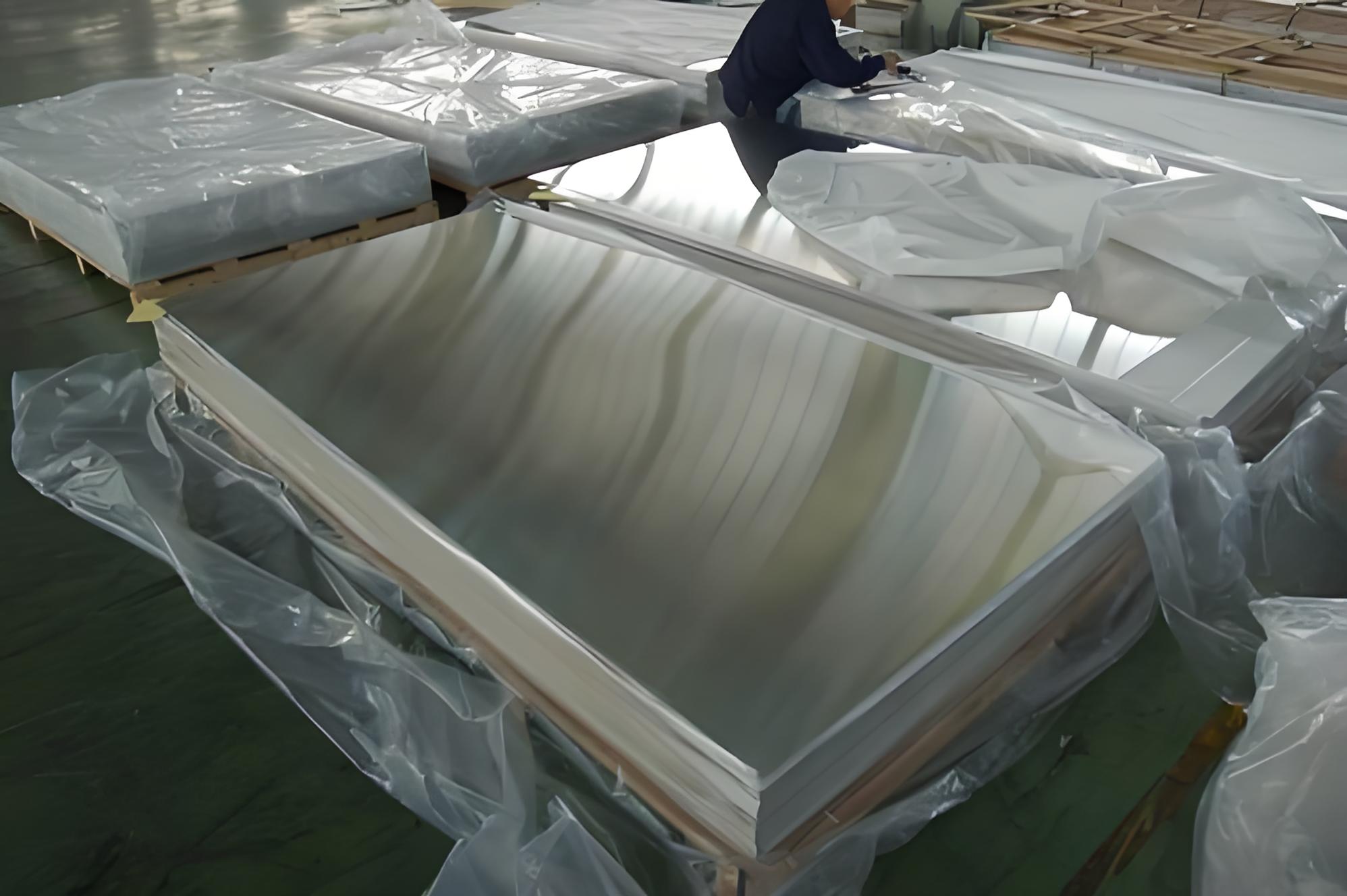
316L Stainless Steel Sheet
316L stainless steel sheet with superior corrosion resistance, especially in chloride and acid environments. Ideal for marine, chemical processing, pharmaceutical, and medical equipment.
Thin-gauge, typically cold rolled. Common finish discussions include 2B, BA, and No.4.
Product Details
316L is a type of stainless steel, belonging to the American ASTM standard system. The corresponding Chinese GB standard system designation is 022Cr17Ni12Mo2, with the unified numerical code being S31603. International common designations include Japanese JIS SUS316L, European BSEN 1.4404, etc. Stainless steel is a general term for steel that has a certain chemical stability in atmospheric, water, acid, alkali, salt solutions or other corrosive media. Stainless steel can be classified into five types based on its microstructure: austenitic type, austenitic + ferritic type, ferritic type, martensitic type, and precipitation hardening type. 316L stainless steel belongs to austenitic stainless steel. The microstructure of austenitic stainless steel is a face-centered cubic lattice, which is non-magnetic and cannot be strengthened through heat treatment. It can only be strengthened by cold processing. Austenitic stainless steel has corrosion resistance and good plasticity and toughness at room temperature and low temperatures, is easy to shape, and has good weldability. It is the most widely used in industry. It accounts for approximately 70% of the total stainless steel production. 316L stainless steel has excellent resistance to chloride ion corrosion and low-temperature toughness due to its molybdenum and low-carbon characteristics. Its products include plates, bars, tubes, steel strips, wire rods, and forgings. 316L stainless steel has good intergranular corrosion resistance in the sensitized state and is suitable for manufacturing welded components and equipment with thick sections, such as equipment for petrochemicals, fertilizers, papermaking, dyeing, and nuclear industries, as well as hydrogen storage and hydrogen/liquid helium storage pressure vessels in the pharmaceutical, food processing, hydrogen energy storage and hydrogen storage bottle inner shells, photovoltaic industry, and liquid hydrogen/liquid helium storage and transportation pressure vessels.
Chemical composition
C: ≤0.030
Si: ≤1.00
Mn: ≤2.00
S: ≤0.030
P: ≤0.045
Cr: 16.00~18.00
Ni: 10.00~14.00
Mo: 2.00~3.00
The chemical composition of 316L makes this steel type have excellent corrosion resistance and can be safely used in environments containing chloride ions and other halogen ions. Due to the main application of 316L being its chemical properties, steel mills generally limit the Ni content of the product to the lower limit. The American standard stipulates that the Ni content of 316L is 10-14%, while the Japanese standard stipulates that the Ni content of 316L is 12-15%. According to the minimum standard, there is a 2% difference in Ni content between the American standard and the Japanese standard, which is quite significant when reflected in the price. Therefore, customers when purchasing 316L products still need to be clear about whether the product is based on the ASTM or JIS standard.
The Mo content of 316L makes this steel type have excellent anti-corrosion ability and can be safely used in environments containing Cl- and other halogen ions. Due to the main application of 316L being its chemical properties, the surface inspection requirements of steel mills for 316L are slightly lower (compared to 304), and customers with higher surface requirements should strengthen the surface inspection efforts.